Since financial transactions between such parties are a complex process, there is a high probability of fraud.
When it comes to e-commerce, for example, there are particular data indicators, such as IP address or shipping preferences, that stay consistent across purchases. When an order deviates significantly from the established buying pattern, merchants pay attention because it might indicate fraud.
That’s why it’s critical to understand and control how this process works to impact unexpected financial losses and security positively.
We explore how fraud scoring works and how businesses can utilize this measure in various industries.
What is a Fraud Score?
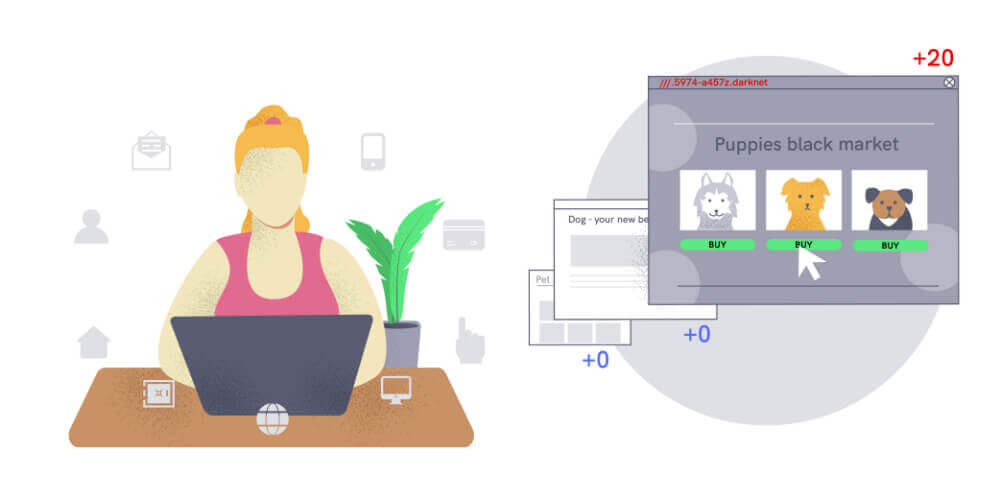
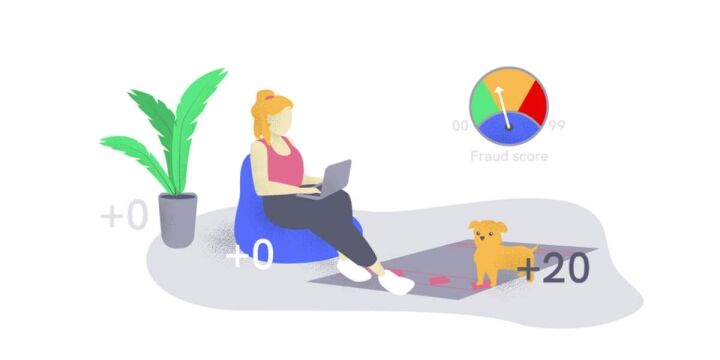
A fraud score is a numerical rating or score assigned to a transaction or customer based on various risk factors and indicators. Fraud scoring will allot scores to a user based on their activity. This tool calculates fraud scores depending on the underlying rules defining user activity as low, medium, high, or very high risk. The higher the fraud score, the greater the suspicion of fraud, prompting merchants to take appropriate actions like investigating further or declining the transaction.
These user activities can be making a card payment or signing in, and the rules check for the following parameters include the following information:
- Full name (shows whether this name was used recently in any fraudulent transactions)
- Address (e.g., customer’s address recently used for criminal activity)
- Phone number risk scoring (shows in case this phone number is virtual, toll-free, or real, and detects in case it was used recently in criminal activity)
- IP Address (shows if this IP address was used in criminal activity)
- Device fingerprint (shows if this device has been recently used in criminal activity)
- Payment details (this metric shows if the payment card details were recently sold in the black market or in case they were used for criminal activity)

Data Used in Fraud Scoring
The vendors are assessed using the following metrics:
- Email (e.g., when this email was created? What type of this email address, free or business? How many security features does this email address provider have?)
- Security features
- Timestamp
- Type
Known data points that are used to calculate the score can be the user’s IP address, email address, or device configuration. In general, each of these data points contains numerous details. For example, an email address might be listed on known blacklists, and an IP address could be associated with known Tor nodes or specific locations. Additionally, it’s essential to highlight that the IP fraud score is a distinct type of fraud score.
What is a Fraud Scoring Model?
A fraud scoring model is a statistical system that assesses the risk of fraud in a transaction or customer by analyzing various data points and assigning a numerical score. The model helps businesses make smart decisions on whether to accept, review, or reject a transaction based on the likelihood of it being fraudulent.
The fraud score model revolves around the risk scale from one to 99. The algorithm assigns a score to every transaction or event that shows its relative risk of fraud. A bank, financial institution, or business can use this scale to prioritize its reviews of different transactions depending on their risk. It allows them to execute real actions depending upon the risk group to eliminate queue size and control the investigator’s review time.
The following are the three risk levels depending on the score:
- High Risk: The “Code Red” of fraud score meters. It means the company must take immediate action against the party in question.
- Medium Risk: The meter shows no strong indication of positive or negative outcomes. The institute has to verify the customer’s identity with quick identity verification.
- Low Risk: The transaction has the lowest possibility of fraud and lets us proceed with an order.
Related: KYC Risk Assessment — Automation Rules & Key Risk Factors to Consider
What are the Top Fraud Patterns Used During User Onboarding?
A customer onboarding workflow can have its weak spots, especially when high-risk customers and those flagged with high-risk scores are identified. This is because the onboarding process is different, depending on the risk score and the level of risk the customer poses. Low-risk users need to undergo simpler checks; otherwise, the chances they will drop off increase by at least 2 times.
High-risk users require additional verification (like PoA, financial background checks via another document upload, etc., depending on the industry) or extra hassle from the end-user’s side. That’s why the right scrutiny needs to come with the right level of manual input. However, the main security challenge is that bypassing attempts still happen, and fraudsters try to use fraudulent techniques to pass KYC checks during user onboarding and remain incognito.
Some common patterns that I’ve identified during the years working with KYC include:
1. Identity Mismatches and Document Manipulation
For many onboarding systems, a document is still the starting point. But documents alone are easy targets. With high-resolution editing tools and cheap templates, forged documents no longer look like the obvious fakes people imagine. More importantly, onboarding teams often do not have time to examine every document manually.
That’s why companies often counter this with special, automated KYC compliance software, placing automated checks between the applicant and the approval process. These tools help match faces to IDs, detect tampering, and confirm legitimacy without slowing the process down. They will not eliminate every risk, but they close one of the biggest windows for manipulation.
Related: How to Combat Document Forgery?
2. Fake Identities
Fake identity fraud feels almost low-effort, but it is one of the most expensive forms of fraud globally. Instead of stealing an identity, fraudsters build one from scratch, mixing real and fabricated information, often using synthetic identity fraud. The result is a user who does not actually exist but appears legitimate enough to pass surface-level checks. They create accounts, build trust, and then disappear at the moment a financial opportunity appears.
3. Multiple Accounts and Duplicates
People are not meant to have five or ten accounts within the same system, but onboarding processes that do not check for duplicates unintentionally allow it.
Multiple accounts can be used to:
-> Access signup bonuses repeatedly, which is also known as bonus abuse
-> Bypass restrictions, like a permanent account ban
-> Create fake “verified networks” used for fraud on the platform
-> Launder funds or move money undetected
Consequently, you need a proper risk scoring system that also assesses behavioral analytics and suspicious activity signs, like a user’s IP and whether they share the same IP with a list of other accounts, which can indicate multi-accounting. Fraudsters rely on that oversight.
4. All the Trust Put on User-Submitted Data
User onboarding workflows often trust user-submitted data too easily: email addresses, phone numbers, company information, and even physical addresses, taking advantage by submitting disposable or fabricated data points, which, basically, are information that works long enough to get through the system but will not hold up later.
Weak verification, which doesn’t check multiple data points, creates bigger issues:
-> Bounced communications
-> Abandoned accounts
-> Unresolved disputes
A proper fraud scoring system should automatically run in the background and check if this information is valid, exists, belongs to the user completing the verification during onboarding, and isn’t already logged in the system (duplicated or used under a completely different identity).
Related: What is a Transaction Dispute? [Challenges for Merchants]
What is FaaS, and How is it Linked to Fraud Scoring?
FaaS, or Fraud-as-a-Service, is exactly what it sounds like. It’s a criminal business model in which fraudsters build and sell fraud toolkits to less sophisticated actors. KYC systems or fraud-scoring systems are designed to detect these services, yet fraudsters still sell the ‘templates’ and share their techniques with others for money. In general, the buyer does not need to understand how anything works. They just need to be able to follow instructions and pay for access.
FaaS means that users can buy:
-> Phishing kits with pre-built fake login pages, email templates, hosting infrastructure, and evasion features to avoid detection by security scanning tools
-> Synthetic identity packages, which consist of stolen PII combined with AI-generated faces and fabricated documents, are ready for account opening
-> Deepfakes, which are the on-demand generation of fake video or audio, are used to impersonate executives and authorize fraudulent transfers or simply bypass KYC and risk scoring systems.
-> Other KYC bypass services, like human “verification mules” paid around $20 to perform live liveness checks on behalf of fraudsters (if you look up this topic on Reddit, for example, you’ll find endless comments like this), are specifically designed to defeat biometric onboarding
The mechanics mirror legitimate SaaS services in a truly uncomfortable way. For example, there are subscription tiers or feature roadmaps with uptime guarantees, including customer support channels on Telegram. Bundled fraud kits that include everything a novice needs to get started run around $200. Pre-verified, fraud-ready bank accounts sell for $300 to $900. KYC bypass packages go for $500 to $800.
What are the Benefits of Fraud Scoring?
The American Express Digital Payments Survey in 2019 found that 27% of the sales always ended up as fraudulent transactions. Fraud scores offer sample benefits to the way any business or financial institution can implement risk detection tools in their service.
Some of the most beneficial factors that companies use in fraud scoring include:
- Complete automation: Once implemented, fraud scoring can check each transaction and assign them values. Based on the value, it can approve, review or deny the transaction. In addition, the admin has the right to review each transaction and check actions on inconclusive results.
- Dynamic authentication: Fraud scores allow the user to add an extra safety layer with a trigger. If the system finds a new user risky, it can trigger an additional authentication process like a selfie ID or two-factor verification to confirm their identity.
- Flexibility in risk mitigation: Once the company has a fraud score for a particular customer, the company has the power to decide how they want to manage the risk that the client poses. The company can devise a system according to various scores and implement it at once for current and future clients.
Numerous payment gateways provide integrated fraud scoring, but you can also find robust third-party fraud scoring solutions. However, it’s important to remember that businesses and industries have diverse needs. When evaluating different service providers, consider factors like customization options and the cost per score to make an informed decision.
Examples of Fraud Scoring in Different Industries
iDenfy understands the need for fraud detection and scoring to reduce fraudulent transactions. The company’s new fraud scoring tool can scan databases that include black-market data to produce risk scores for a potential customer. Once the system measures different customer details, it can detect fraud patterns to help businesses prevent unwelcome transactions.
Remember, while AI-powered fraud scoring tools can significantly enhance fraud detection, it’s essential to continually update and fine-tune the models to adapt to evolving fraud tactics. We can help you regularly assess the tool’s performance and stay ahead of emerging threats and safeguard your industry-specific operations effectively.

Here are a few examples of how iDenfy’s customer risk assessment tool, which enables automated risk scoring, helps different sectors:
1. Banking and Insurance
The banking sector has always struggled with fraud on a daily basis. It was the same story before computers arrived and grew after the world digitized. With fraud scoring, the banks can perform a total digital footprint analysis so they can block customers who use stolen or fake identities. They can even cut down false account creation and prevent money laundering rings without incurring any cost on authorized users.
Apart from fighting against fraud, secure login authentication stops account takeover without hampering the user experience. Once the bank combines fraud-check measures with Know Your Customer (KYC) tools, it can steer clear of regulatory fines.
2. Online Gaming
Using fraud scoring, online gaming platforms can offer a secure playing arena to gamers without spoiling their gaming and overall experience. The platforms can remove bad players, threats, and other attacks that will ensure more legit players keep coming in. The fraud scoring methodology allows a business to automatically detect and remove fake accounts using digital footprint analysis. It allows removing players who use fake IDs and stops multi-account conspiratorial play.
3. E-Commerce
E-commerce businesses can use fraud scoring to reduce chargeback overheads and increase turnover. Fraud scoring is a great doorkeeper for online stores that allows business owners to mitigate fraudulent attacks and safeguard legitimate customers.
Business owners can now prevent payments through stolen cards or other details and stop unauthorized transactions beforehand. On top of it, fraud scoring can also help businesses detect fake accounts and prevent misuse of promos and gift coupons.
iDenfy’s Approach to Fraud Scoring and Customer Risk Assessment
Once you’ve identified the client type and the required verification documents, it’s important to examine their financial background further. For instance, a client without a job making frequent large deposits is a red flag, signaling potential risk. Our software automatically detects unusual financial activities and suspicious behavior, which becomes easier when key risk factors are identified during the Anti-Money Laundering (AML) risk assessment.
iDenfy offers an effective fraud scoring system that enables businesses and financial institutions to check their customers for signs of fraud. Once companies have this power, they can minimize the monetary and reputational damage that fraudulent transactions cause every day. That’s why we’ve built a complete RegTech suite for your KYC/KYB and AML compliance needs.
The risk scoring, or the risk assessment solution, is customizable, which means you can apply it to both customers and companies on our KYC or KYB dashboard, choosing from multiple templates or optimizing and setting your own custom automation rules based on different risk factors, such as the location, product/services, etc.
For example, you can assign different risk levels to different geographical locations based on their risk. Countries with higher rates of money laundering should automatically be considered high-risk, which will prevent you from working with risky individuals.